

 Tiếng Việt
After a period of construction, equipment installation, and preparation, Thanh Du Minh’s new factory officially began operations.
The first production runs marked an important milestone in the company’s development. What had started as a new site gradually took shape into a dedicated production facility, with processing areas completed, equipment installed, and production systems put into operation.
Looking back on this stage, the first production runs were the result of a considerable amount of preparation. This included completing the facility, organizing functional areas, installing equipment, and establishing operating procedures suitable for the new production environment.
It was also the stage when plans that had been prepared over time were put into practice. Through actual production, the team was able to evaluate how the facility, equipment, processes, and people worked together and identify areas that needed further adjustment.
From a Completed Facility to the First Products
Getting a new factory ready for production involves more than completing the building and installing equipment.
At Thanh Du Minh, areas for raw material receiving, preparation, processing, drying, quality inspection, packaging, and storage were arranged to support a connected production flow.
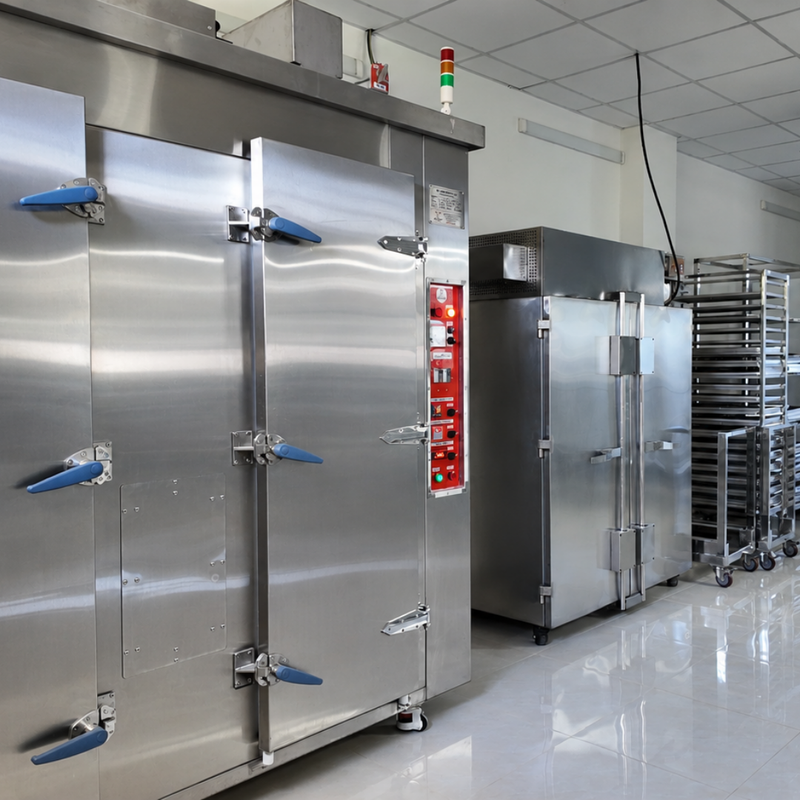
Once operations began, raw materials moved through each stage of the process. From preparation and processing to drying and finished-product inspection, each step was closely monitored to evaluate how the entire system performed under actual production conditions.
For a newly established facility, the first production runs often provide practical insights that cannot be fully identified during the planning and installation stages. Material flow, coordination between production areas, processing time, and equipment performance all need to be assessed through real operation.
The observations and adjustments made during this period provided a practical foundation for further improving the production process and establishing a more stable operating system.
Starting with Products We Know Well
During the initial stage of operation, Thanh Du Minh focused on raw materials and product lines that the team already had experience working with.
This provided a practical basis for comparing the production knowledge and processes developed over the years with the conditions of the new facility. Existing experience in raw material handling, preparation, and drying was applied while each stage was reviewed and adjusted to suit the new production system.
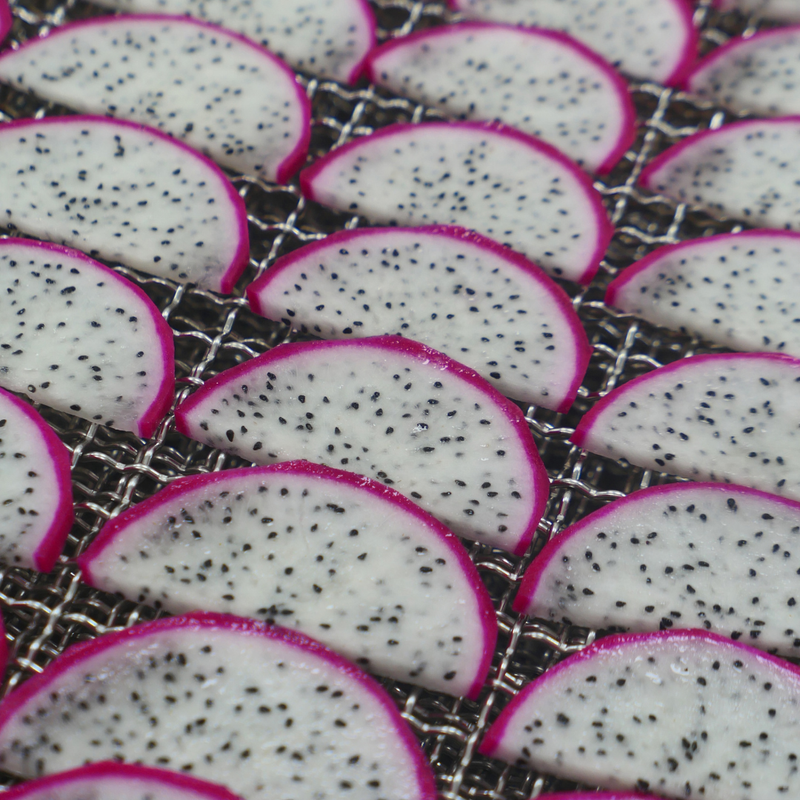
For dried fruit production, each type of fruit has its own characteristics, including size, ripeness, moisture content, and texture. These factors need to be considered throughout the process, from raw material selection and inspection to preparation, processing, and drying.
After each production run, finished products were checked for appearance, color, texture, and moisture content according to the requirements of each product line. The results provided useful information for further adjustments and helped the team gradually establish more consistent operating practices.
Learning Through the Initial Production Stage
Bringing a new factory into operation is not simply a matter of putting equipment to work.
It is also a process of helping the team become familiar with a new production environment, understand how each stage connects, and determine the most suitable way to operate the system in practice.
Some elements performed as expected based on the original planning. Others only became apparent once raw materials, equipment, and people were working together under actual production conditions.
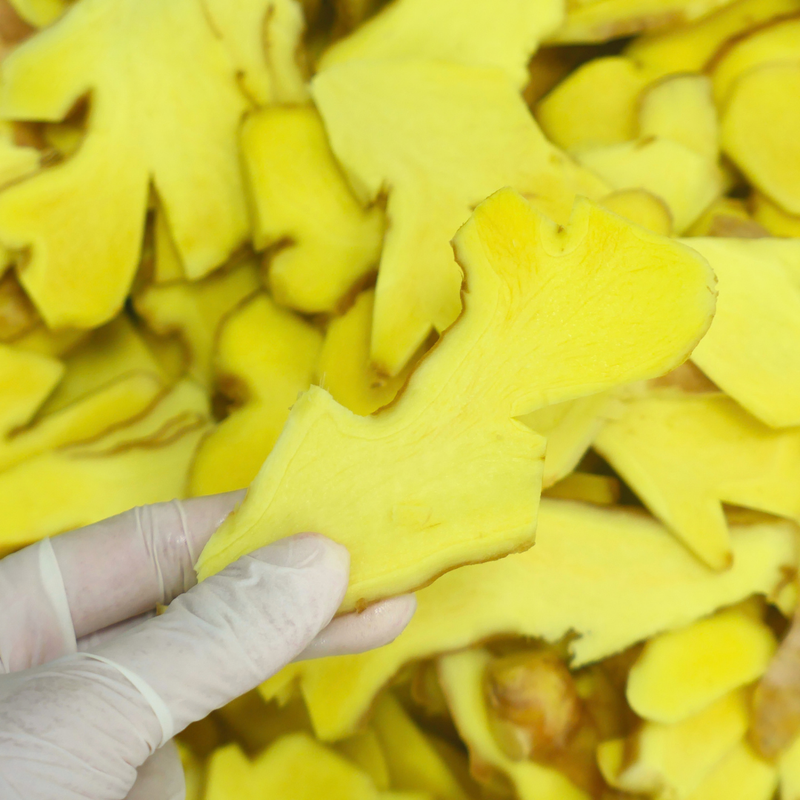
For this reason, the initial operating stage played an important role in completing the factory’s production system. After each production run, areas requiring adjustment were recorded and reviewed, allowing the team to gradually standardize the way each process was carried out.
The goal was not simply to produce the first batches, but to establish a production process that is stable, clearly organized, and capable of supporting higher volumes as the business grows.
Building a Stronger Production Foundation
The new factory was not the beginning of Thanh Du Minh’s manufacturing journey.
Before investing in the new facility, the company had already built years of experience in producing and developing products from fruits and agricultural materials. This experience in raw materials, preparation, drying, and quality control provided an important foundation for developing the new production system.
The key difference lies in the scale and organization of production.
With more clearly defined production areas, additional equipment, and processes arranged to support larger volumes, the new factory provides a stronger foundation for Thanh Du Minh to expand its production capabilities.
One of the key objectives of the project is to work toward a production capacity of approximately 1,400 kg per day.
Reaching this level requires more than improving a single production stage. The entire system needs to work together effectively, from raw material sourcing and preparation to processing, drying, inspection, packaging, and storage.
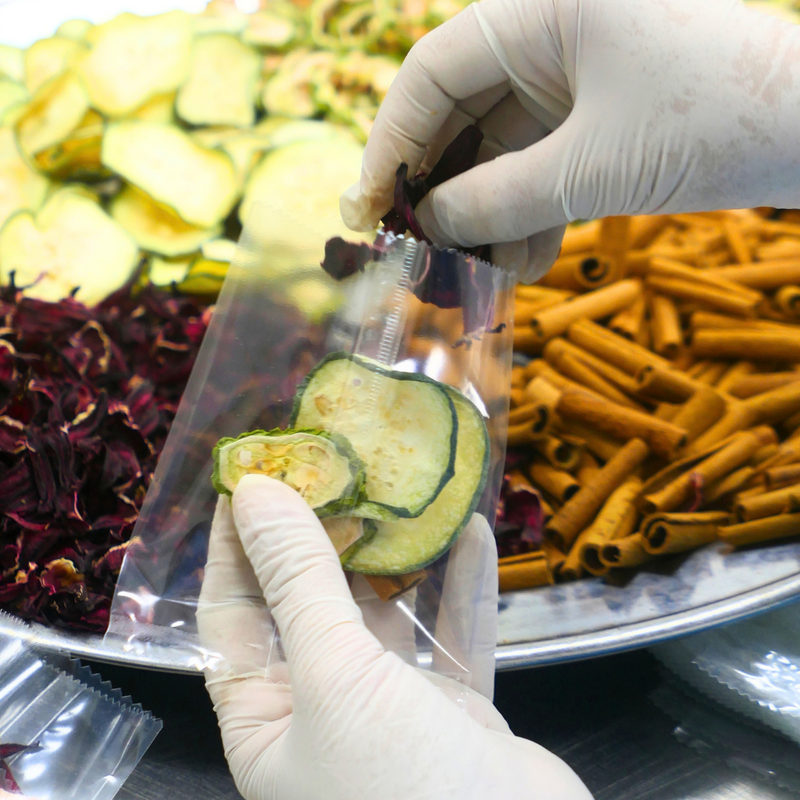
The initial production runs therefore also served as an opportunity to assess the system as a whole, identify areas for further improvement, and gradually prepare the factory for increased production capacity.
From the First Production Runs to a More Developed System
Looking back from the early construction stage to the first production runs, the development of Thanh Du Minh’s new factory has involved many steps behind the scenes.
A new site was gradually transformed into organized production areas. Installed equipment became part of a working production system. And from that system came the first products manufactured within Thanh Du Minh’s new facility.
The first production runs were not the final destination. They were the starting point of a new stage in which the team continued to gain practical experience, adjust equipment, and refine production methods.
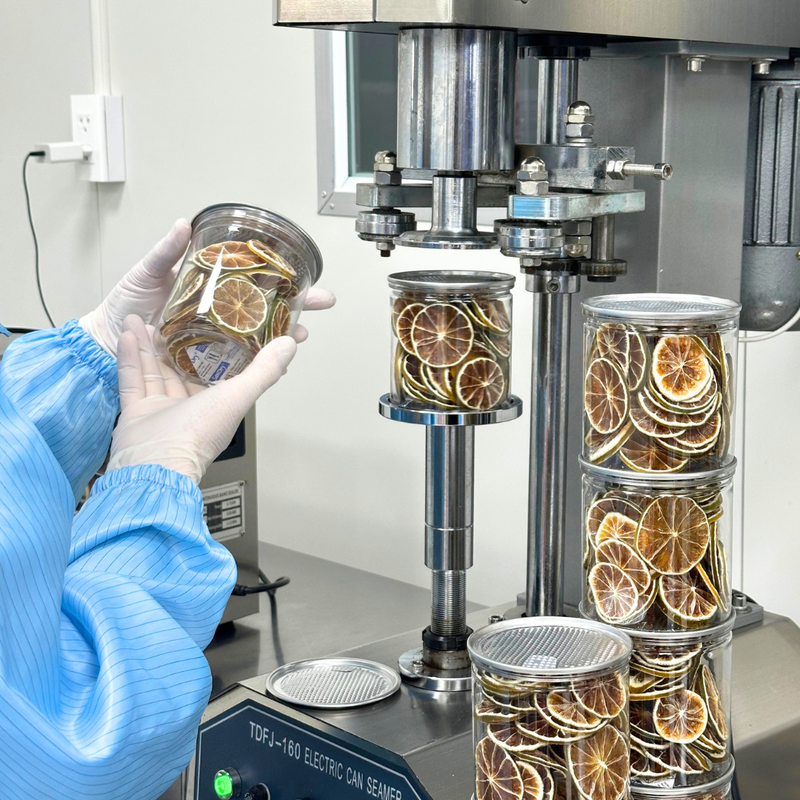
Over time, the lessons and adjustments from the early operating stage have contributed to a more stable production system, better prepared to meet requirements for capacity, quality, and process control.
They have also provided a foundation for continued investment in equipment, further development of individual production stages, and the introduction of new product lines as Thanh Du Minh works toward its broader market expansion plans.
From the first production runs to the factory’s ongoing operations today, the journey has been built step by step. Every piece of equipment, every production stage, and every adjustment has contributed to the development of Thanh Du Minh’s manufacturing capabilities.